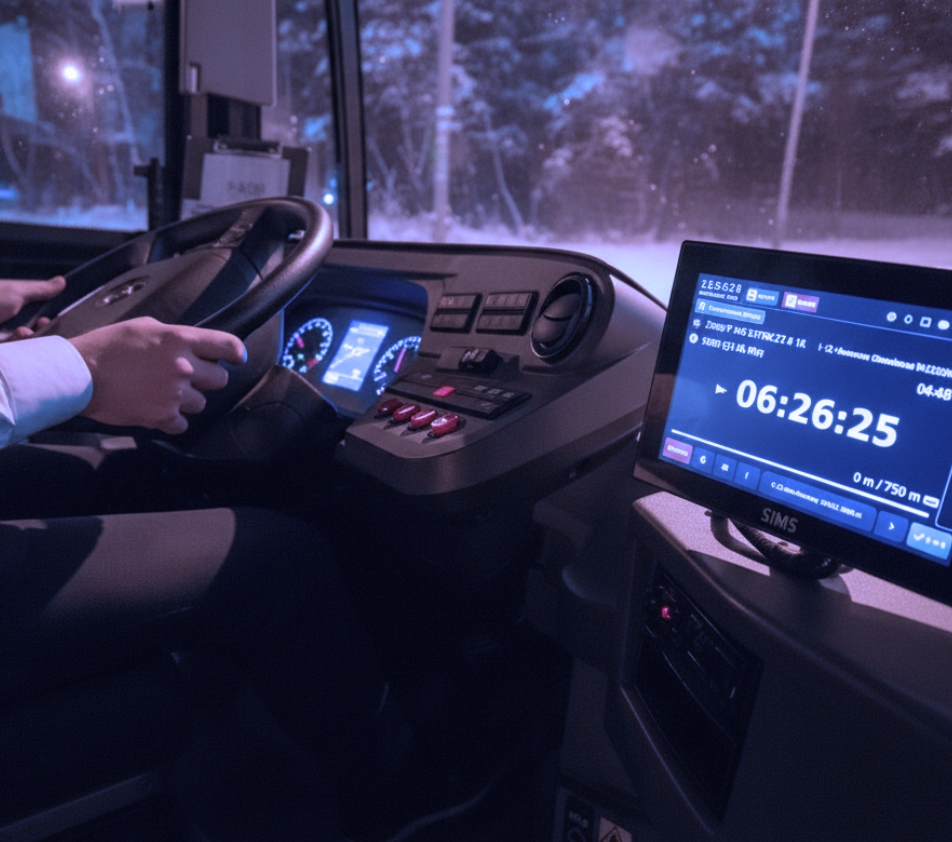
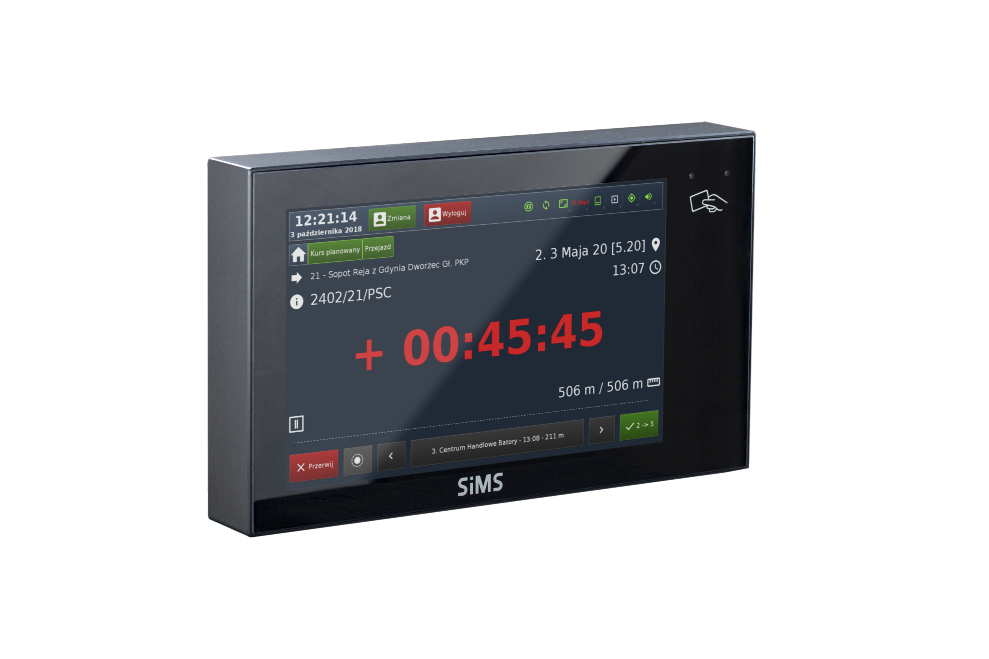
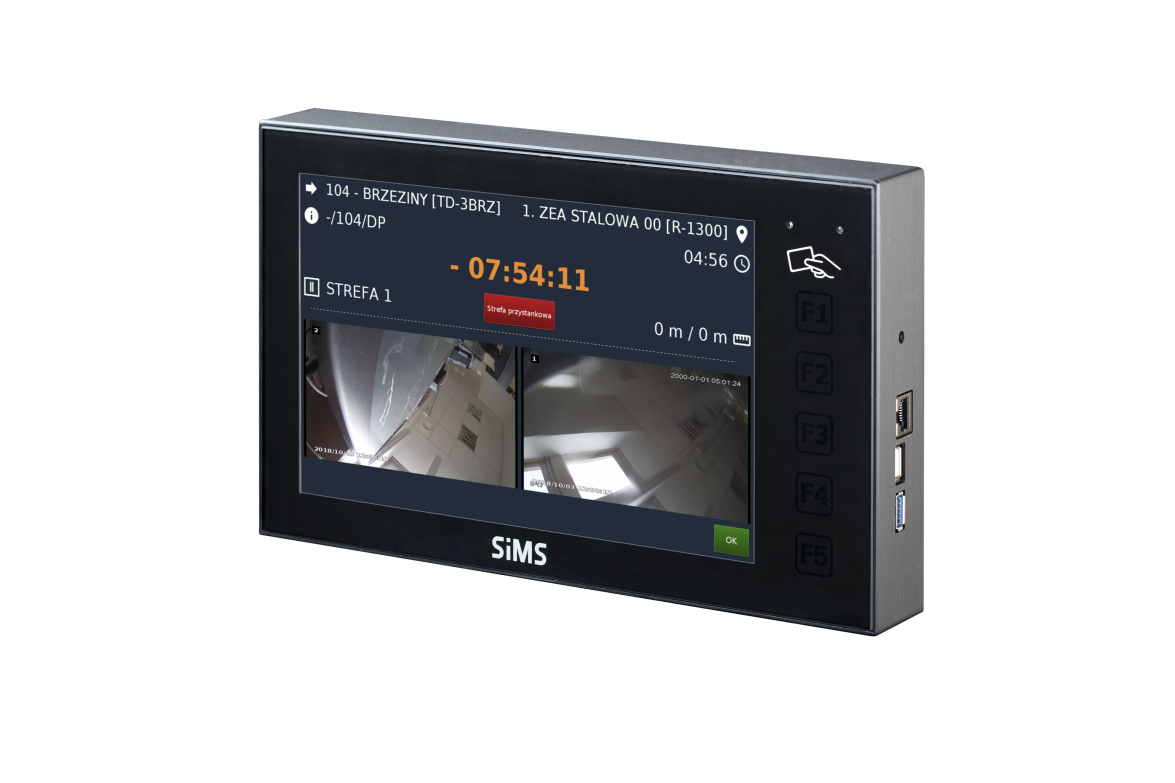
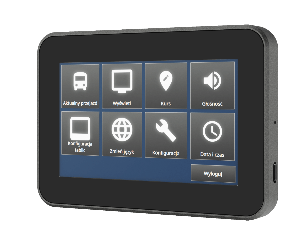
SIL 2 has a wide range of functions such as: control of all popular passenger information system devices, cooperation with ticket validators and vending machines, counting passenger flows, and has been extended to include, among others: management of the monitoring system, the ability to view images from cameras and playback of recorded video material.
Specifications
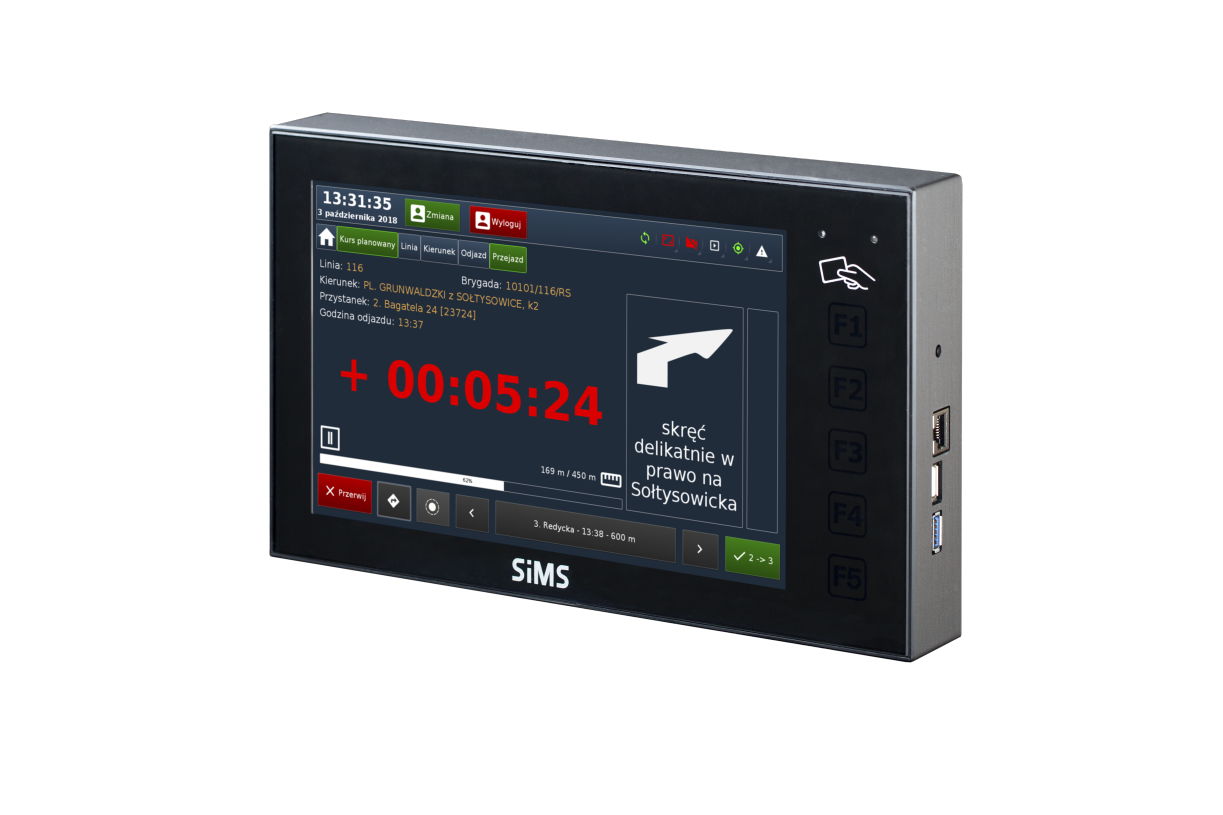
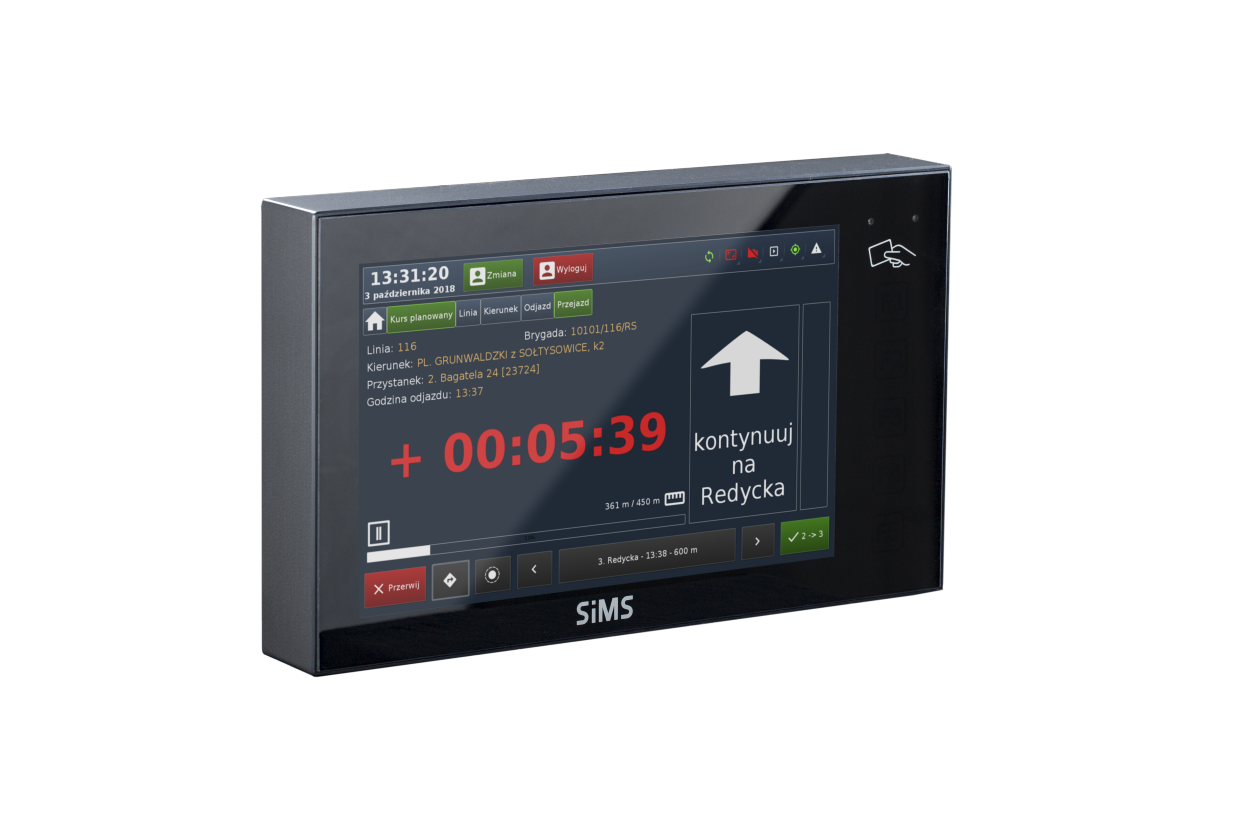
The SIL 2 was developed based on experience from the implementation of its predecessor, the SIL 1, as well as the well-known and highly regarded KPP2 computer. Additional configurable function buttons (F1-F5) allow you to personalize the controller to your needs, and the large 10-inch touchscreen facilitates the driver’s work by providing essential information in a clear format. The controller also includes navigation that guides the driver through maneuvers at subsequent intersections.
Parameters
Intel 2.4GHz processor, 2GB RAM;
Flash drive up to 512GB;
Possibility to install a second SSD drive up to 8TB;
Linux operating system
User interface
A large, easy-to-read 10-inch color TFT display with touchscreen and adjustable LED backlight brightness (adjustable based on the ambient light sensor);
a comfortable, colorfully backlit, touch-sensitive function keyboard. Key functions can be defined by the user, enabling quick and easy navigation to the most frequently used computer functions; a built-in RFID (Mifare) card reader for simple and fast user login;
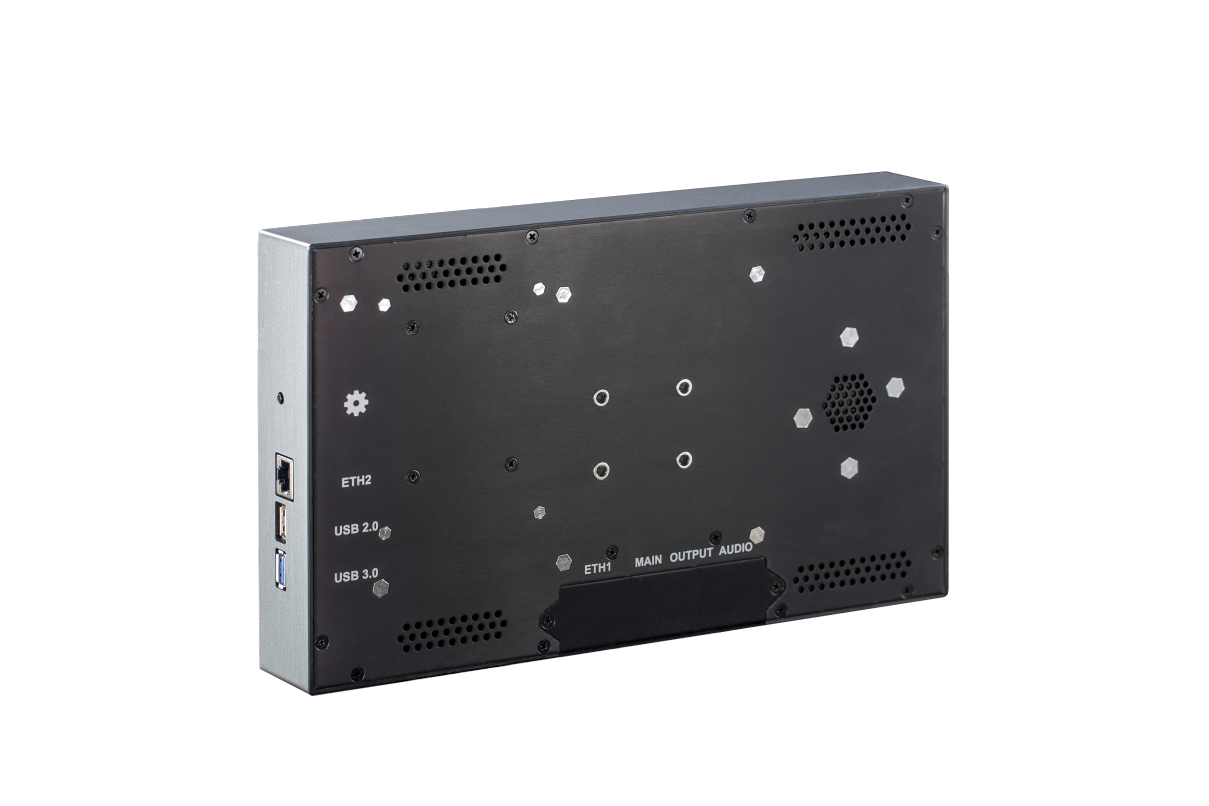
an easily accessible USB 3.0 port for connecting a flash drive or a LAN port for connecting a laptop; five touch-sensitive function keys F1-F5, independent of the touchscreen, with the ability to assign functions and change their color.
Functions
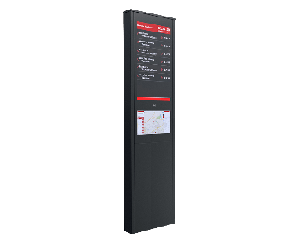
Control of all types of electronic information displays offered by SiMS (LED, flip-dot, LCD);
Playback of voice announcements and other audio messages on up to three channels (inside the vehicle, outside the vehicle, and optionally in the driver’s cab – VoIP for communication with the dispatch center);
Compatibility with paper and electronic ticket validators; Compatibility with ticket vending machines; Compatibility with video and audio monitoring systems. Ability to overlay video recordings with any parameters currently available to the SIL computer, such as speed, geographic location, line name, direction, stop name, driver data, etc.;
Integration of camera previews from the monitoring system on the controller screen;
Playback of recordings from the central monitoring unit on the vehicle computer screen;
Vehicle location via the built-in GPS receiver;
Driver prompts to facilitate timetable implementation; Economical Driving Assistant (EDA) – reporting and recording events that do not fall within the eco-driving standard, as well as other events defined by the fleet owner, such as: excessive engine idle time, driving in neutral, sudden starts, heavy braking, etc.;
Navigation – prompting the driver with appropriate maneuvers at intersections; OBD – collecting information from CAN buses about faults in the vehicle’s electronic equipment, decoding it into text format understandable by the operator, presenting it on the computer display, and logging it for later analysis.
Automatic updates of timetables, information boards, announcements, etc., and automatic downloads of records, at the depot via WiFi, ISM radio modem, or Bluetooth, and on the terrace via GSM networks;
Remote computer access for centralized fleet management;
Master-slave operation for bidirectional vehicles;
Communication with the central dispatch system; Communication with the central “Green Wave” system; Communication with traffic light controllers at intersections – local priority enforcement for public transport vehicles;
Communication with a breathalyzer and ignition lock – to start the vehicle, the driver must log in to the computer and take a breathalyzer test; recording of all parameters and events available to the computer, such as: opening/closing the fuel filler, fuel level, fuel consumption while driving, driver data, driving style, sudden braking or starting, use of a breathalyzer, vehicle operating parameters, timetable implementation, passenger flows, CAN bus parameters (SEA J1939 or CANOpen) and many others